Get expert advice about medical weight loss in Grand Rapids, MI. Our medical weight loss blog covers everything from costs and material comparisons to maintenance tips, local regulations, and treatment planning guides. Whether you are researching your first treatment or need maintenance advice for an existing one, our articles are written specifically for Grand Rapids area people. We cover local clinic standards, climate considerations, seasonal preparation, and how to choose the right professional for your medical weight loss needs. Browse our 22 articles below or call (616) 280-5175 to speak with a matching specialist.
Compare your options: not sure how the treatments differ? Browse all comparison guides — or take the matching quiz and we'll connect you with providers who can help.

How Much Does GLP-1 Weight Loss Cost in Grand Rapids?
The Real Cost of Medical Weight Loss in West Michigan / Kent County GLP-1 weight loss costs in Grand Rapids vary dramatically. One provider recommendations 300/month for compounded semaglutide. Another recommendations 1,400/month for b...
Is GLP-1 Weight Loss Right for Me?
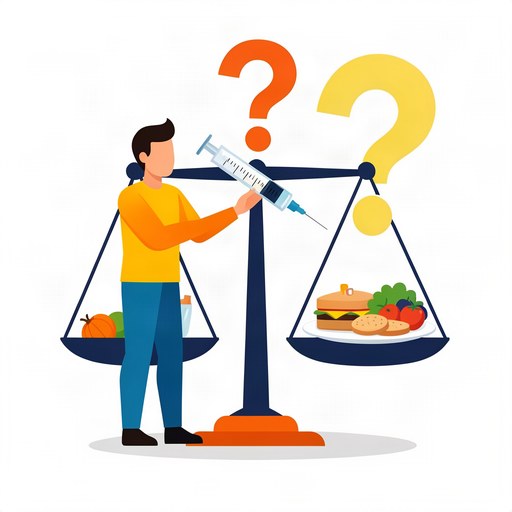
Are You a Candidate? GLP-1 medications have transformed weight loss — but they are not for everyone. Who Is Typically a Candidate BMI of 30 or higher (obesity), OR BMI of 27 or higher (overweight) with at ...
GLP-1 Side Effects: What Grand Rapids Patients Should Know
Understanding and Managing GLP-1 Side Effects GLP-1 medications are generally well-tolerated, but side effects are common — especially during the first few weeks. Knowing what to expect can make your experience much s...

Medical Weight Loss in Grand Rapids and West Michigan / Kent County
Grand Rapids's Weight Management Landscape Grand Rapids and West Michigan / Kent County have a robust medical weight management ecosystem — from dedicated weight loss clinics to concierge medicine practices to med spa...
Menopause and Weight Loss in South Florida
Understanding Menopause Weight Gain Menopause brings hormonal changes that fundamentally alter how your body stores and burns fat. In Grand Rapids's beach and social culture, menopausal weight gain can feel especially...

10 Questions to Ask a Weight Loss Provider Before You Commit
Be an Informed Patient What is your experience with GLP-1 medications? Do you offer both brand-name and compounded options? What is the total monthly cost including medication, visits, and labs? ...
What's Your Somatotype? How Your Body Type Changes Weight-Loss Results
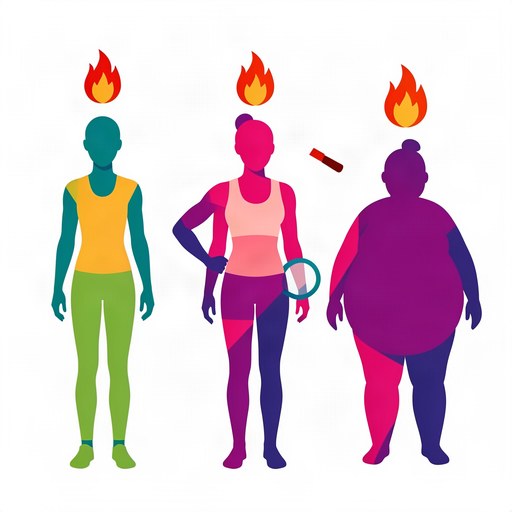
What is a somatotype and does it matter for weight loss? Your somatotype — ectomorph, mesomorph, or endomorph — describes how your body is built and how it handles calories, hormones, and exercise. It matters because t...

After the Weight Loss: How to Keep It Off (The Data That Predicts Success)
How do you keep weight off after a GLP-1 program? The National Weight Control Registry — which tracks people who have lost significant weight and kept it off for over a year — shows that maintenance is a set of measura...
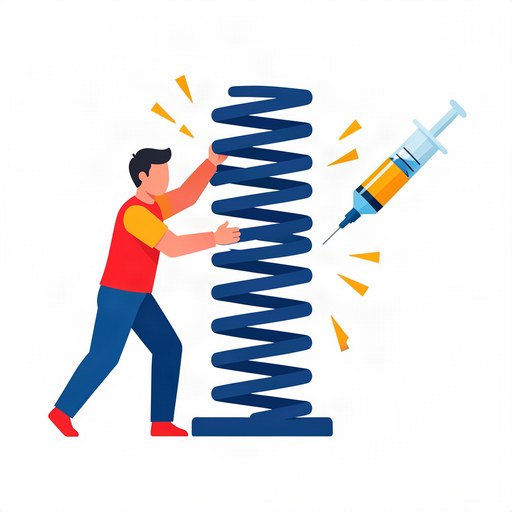
Why Your Body Fights Weight Loss (And How GLP-1 Helps)
Why does weight loss get harder the longer you diet? Your body treats a caloric deficit like a famine. Within weeks, the thyroid axis dials down — active T3 drops while inactive reverse T3 (rT3) rises and blocks thyro...
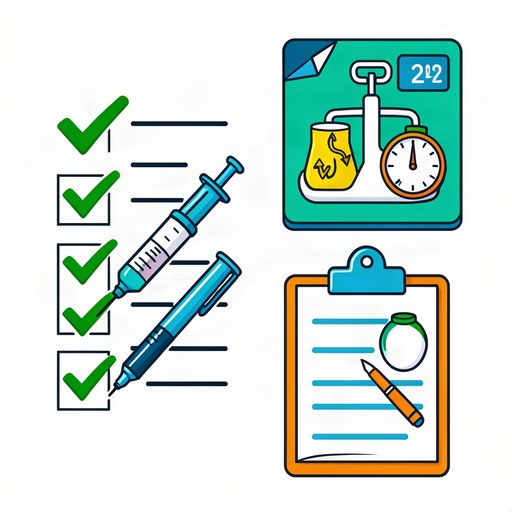
Do I Qualify for GLP-1 Medication? The Clinical Criteria
What are the qualification criteria for GLP-1 medications? FDA-approved weight-loss pharmacotherapy requires a BMI of 30 or higher, or a BMI of 27 or higher with at least one weight-related comorbidity such as type 2 ...
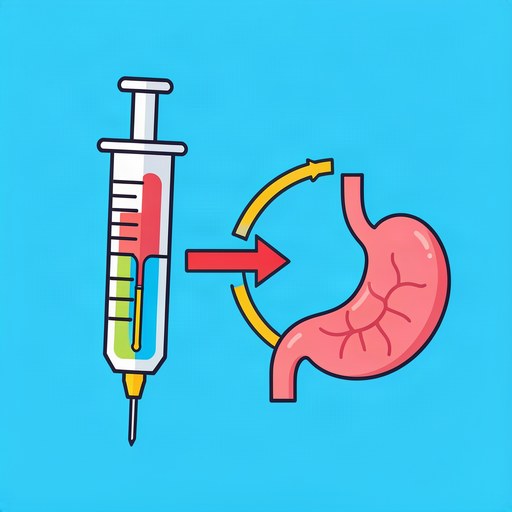
GLP-1 Explained: How Semaglutide & Tirzepatide Actually Work
What is the difference between semaglutide and tirzepatide? Semaglutide (Wegovy) is a single GLP-1 receptor agonist: it slows gastric emptying, improves glucose control, and reduces appetite. Tirzepatide (Zepbound) is...
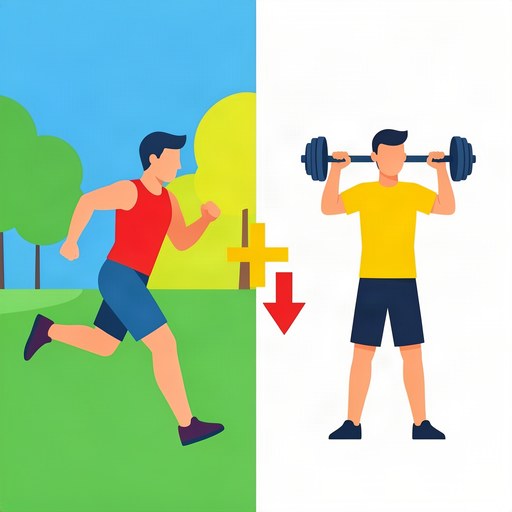
Cardio vs. Weights: The Exercise Combo That Actually Works
Which burns more weight — cardio or strength training? Cardiovascular exercise drives greater absolute fat and body-mass reduction in the short term. But resistance training is the non-negotiable partner: it maintains...
Sleep & Weight Loss: The Hormone Connection
How much sleep do you need to lose weight? Seven to eight hours is the clinical baseline for metabolic health. Drop below six hours and the risk of central (visceral) obesity rises by 13% — and the effect compounds: e...

Zepbound vs Wegovy vs Saxenda vs Alli: The 2026 Comparison
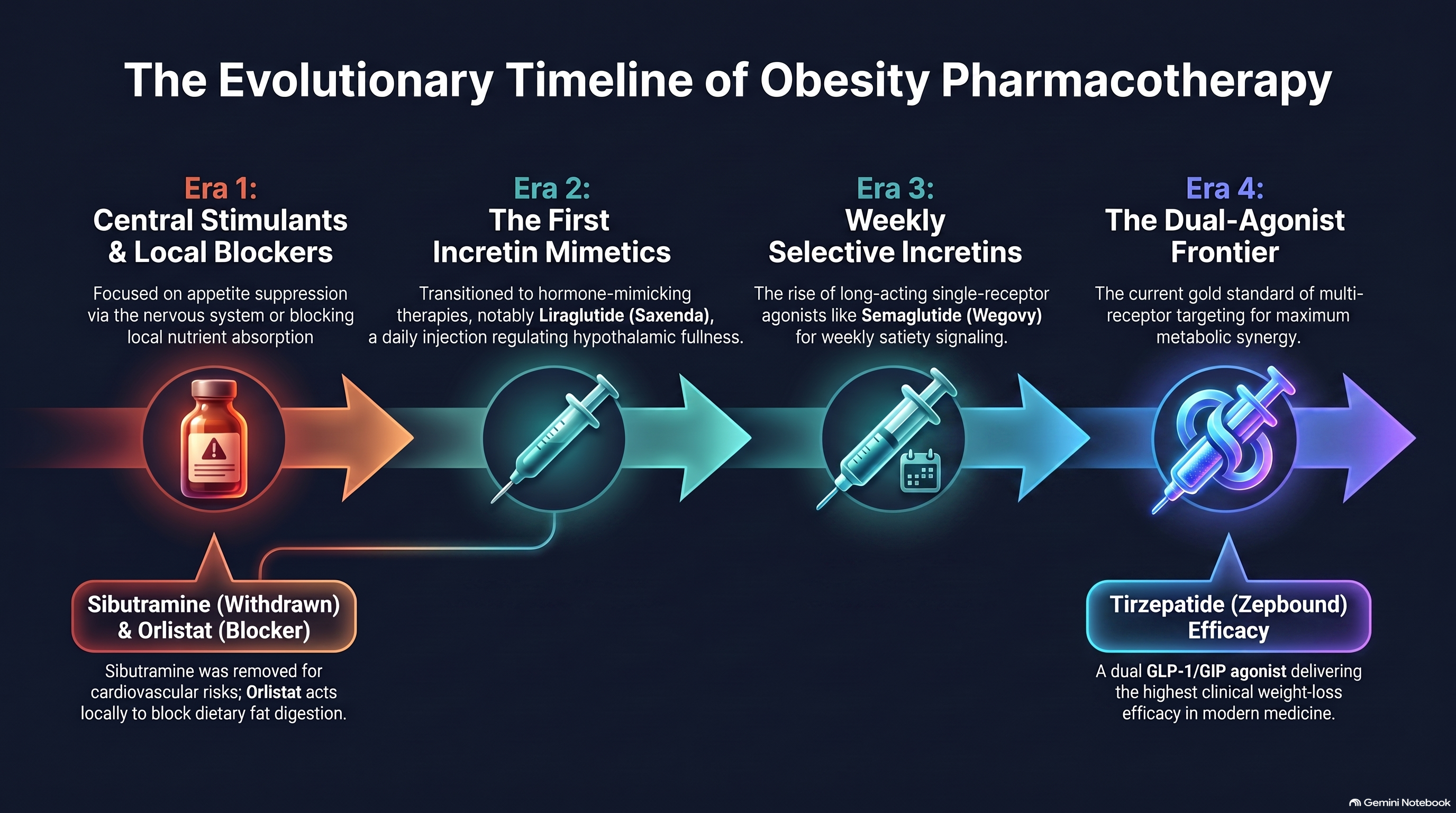
Which weight-loss medication is most effective? Tirzepatide (Zepbound) currently leads clinical efficacy: it targets both the GIP and GLP-1 pathways, producing the largest average weight loss in head-to-head data. Sem...
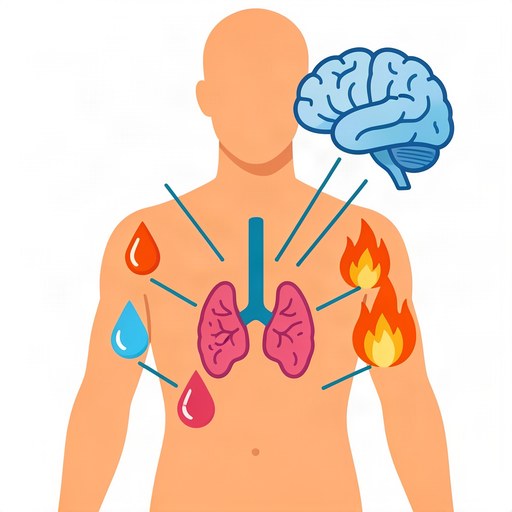
Your Weight-Loss Hormones, Explained
Which hormones control weight loss? Five hormones do the heavy lifting: insulin (the storage switch), glucagon (the release switch), growth hormone (the fat-mobilizer), cortisol (the stress brake), and leptin (the ful...
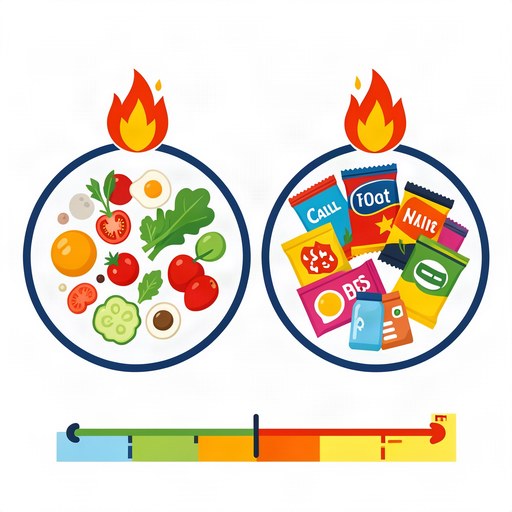
Why a Calorie Isn't Just a Calorie: The UPF Study
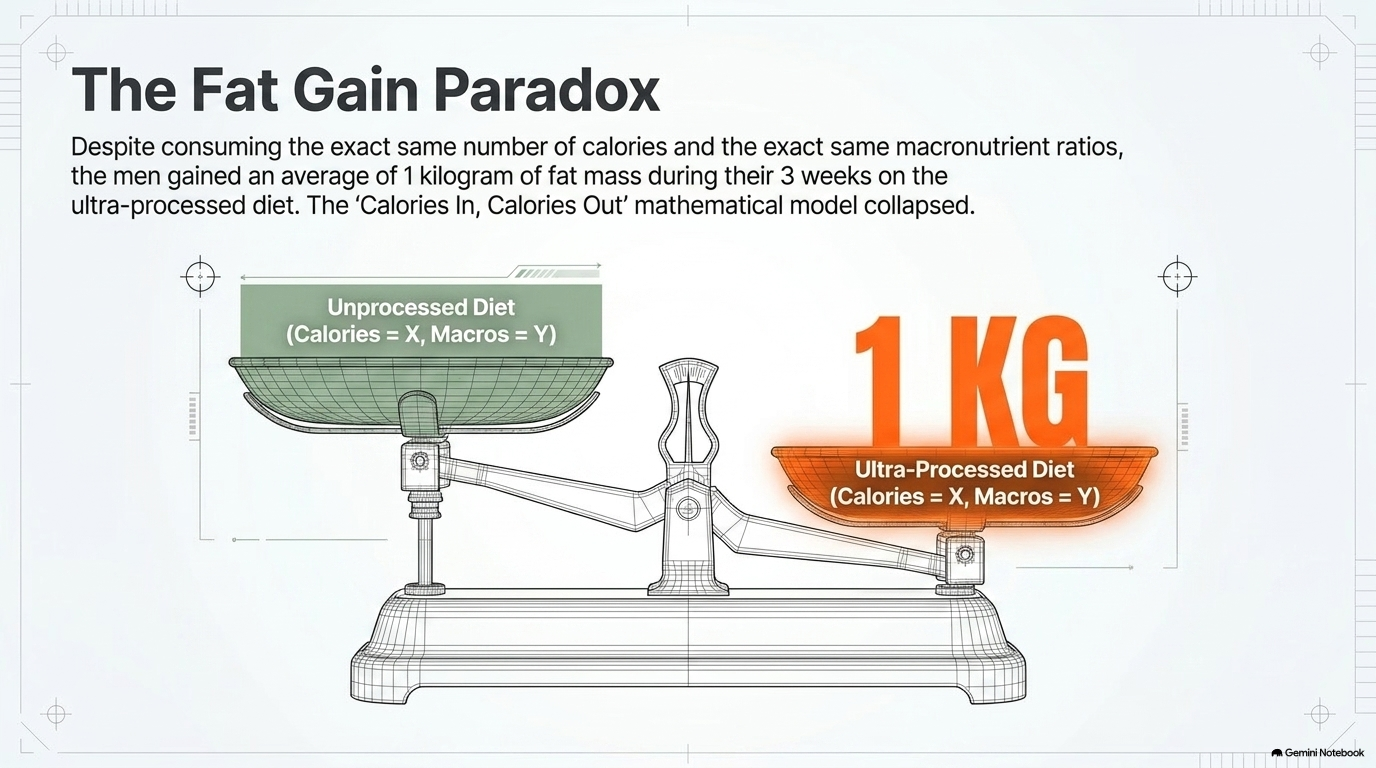
Can identical calories produce different weight outcomes? Yes — and the 2025 Copenhagen study proved it. Volunteers ate meals matched for calories AND macronutrients, but one group's meals were ultra-processed. The ul...
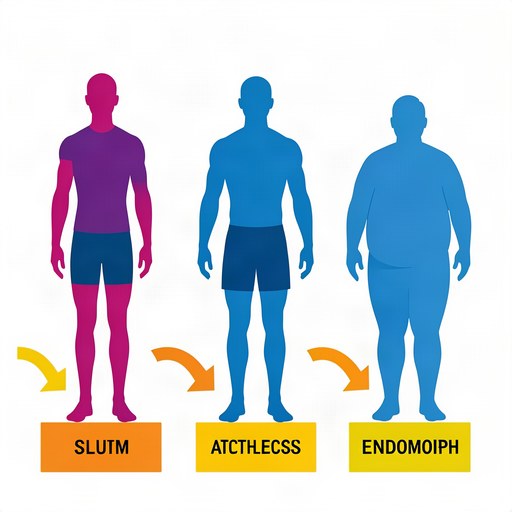
Ectomorph, Mesomorph, Endomorph: What Your Body Type Really Means for Weight Loss
Does your body type decide how you lose weight? Ectomorph, mesomorph, endomorph — the classic body-type labels describe where you naturally store fat and build muscle. They do not decide your future, but they do expla...

The Habits of People Who Keep Weight Off (NWCR Research)
What do people who maintain weight loss actually do? The National Weight Control Registry tracks thousands of people who lost significant weight and kept it off for a year or more. The behavioral markers that separate...

The Next Generation: Weight-Loss Medications in Clinical Trials
What comes after semaglutide and tirzepatide? The pipeline of obesity medications is deeper than it has ever been. Triple-agonist compounds that hit GLP-1, GIP, and glucagon receptors simultaneously are reporting plac...
Protein & Muscle: The Research on Preserving Lean Mass While Losing Weight
Why muscle preservation is the hidden goal of weight loss Losing weight too fast loses muscle with it — and muscle is your metabolic engine. The high-protein diet literature is remarkably consistent: higher protein pr...
FDA-Approved Weight-Loss Medications: The Complete Landscape
The full menu of approved options From injectable GLP-1 and dual agonists to oral combinations and a lipase inhibitor, the FDA-approved arsenal now spans a wide efficacy range — roughly 2.4% to 20.9% placebo-adjusted ...
The Medications That Failed: What the Withdrawals Taught Us
Weight-loss pharmacology has a history — and a cautionary one From 2,4-Dinitrophenol (banned 1938) to Fen-Phen (withdrawn 1997) to lorcaserin (withdrawn 2020), the market has repeatedly seen effective drugs pulled for...
Have a question not covered here? Call (616) 280-5175 to speak with a medical weight loss matching specialist — free, no obligation.